Restoration Avenue
Verdun
Google rating :5.0(227 reviews, Google)
Sewer backup, burst pipe, infiltration or flooding: after water damage, drying quickly helps limit the damage and the risk of mould. A restoration company removes the water, dries the building and takes out what cannot be saved.
Find a company by city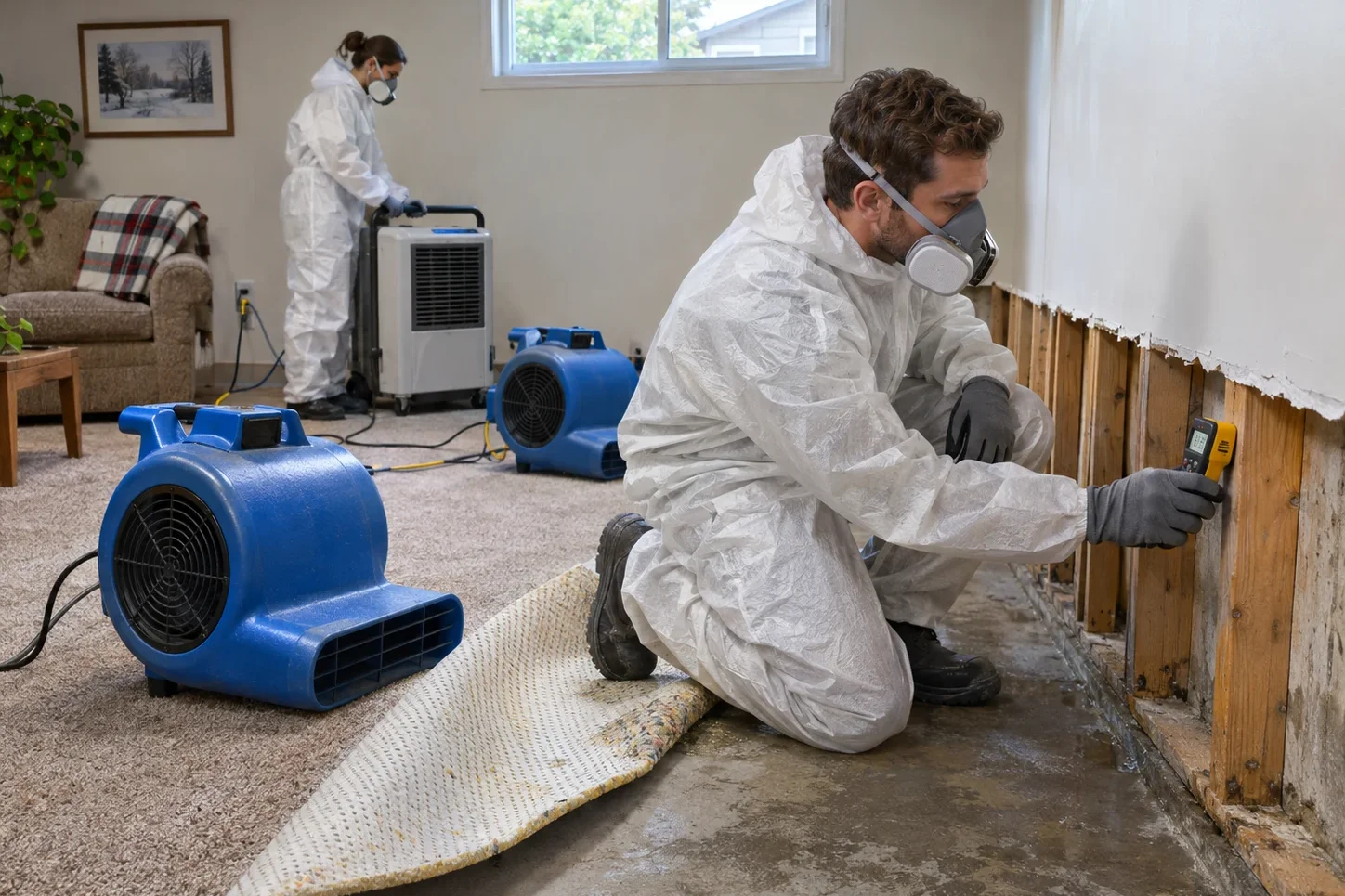
Turn off the power to affected areas if it is safe to do so, take photos and notify your insurer. Your insurer may have its own requirements for choosing a company and for the documents to provide.
The company sets up dehumidifiers and air movers, then measures the moisture in materials until they are dry. Ask to see the readings: they show when walls can be closed up.
Soaked drywall, insulation, carpet or subfloor are often removed. The type of water matters: sewage requires more precautions than clean water from a supply pipe.
After drying, rebuilding can be done by the same company or by another contractor. Ask the quote to state what it covers, from the emergency call to the final repairs.
Verdun
Google rating :5.0(227 reviews, Google)
Montréal
Google rating :4.9(181 reviews, Google)
Google rating :4.6(301 reviews, Google)
Google rating :4.9(111 reviews, Google)
Montréal
Google rating :5.0(89 reviews, Google)
Google rating :4.2(102 reviews, Google)
Steps to limit the damage are often expected right away. Check with your insurer what it requires and keep photos and invoices.
A small clean-water leak sometimes can be. When water has soaked into walls or floors, equipment and moisture readings help confirm that everything is dry.
By drying quickly and removing porous materials that will not dry. Do not close the walls before moisture readings confirm they are dry.
Add or update your listing for free and get requests from customers in your area.